Safe Spaces: Giving Club Staff the Confidence to Respond to DFV

Club staff are often trusted members of their community. They see people regularly, build relationships over time and are often the first to notice when something isn't right.
Key Points
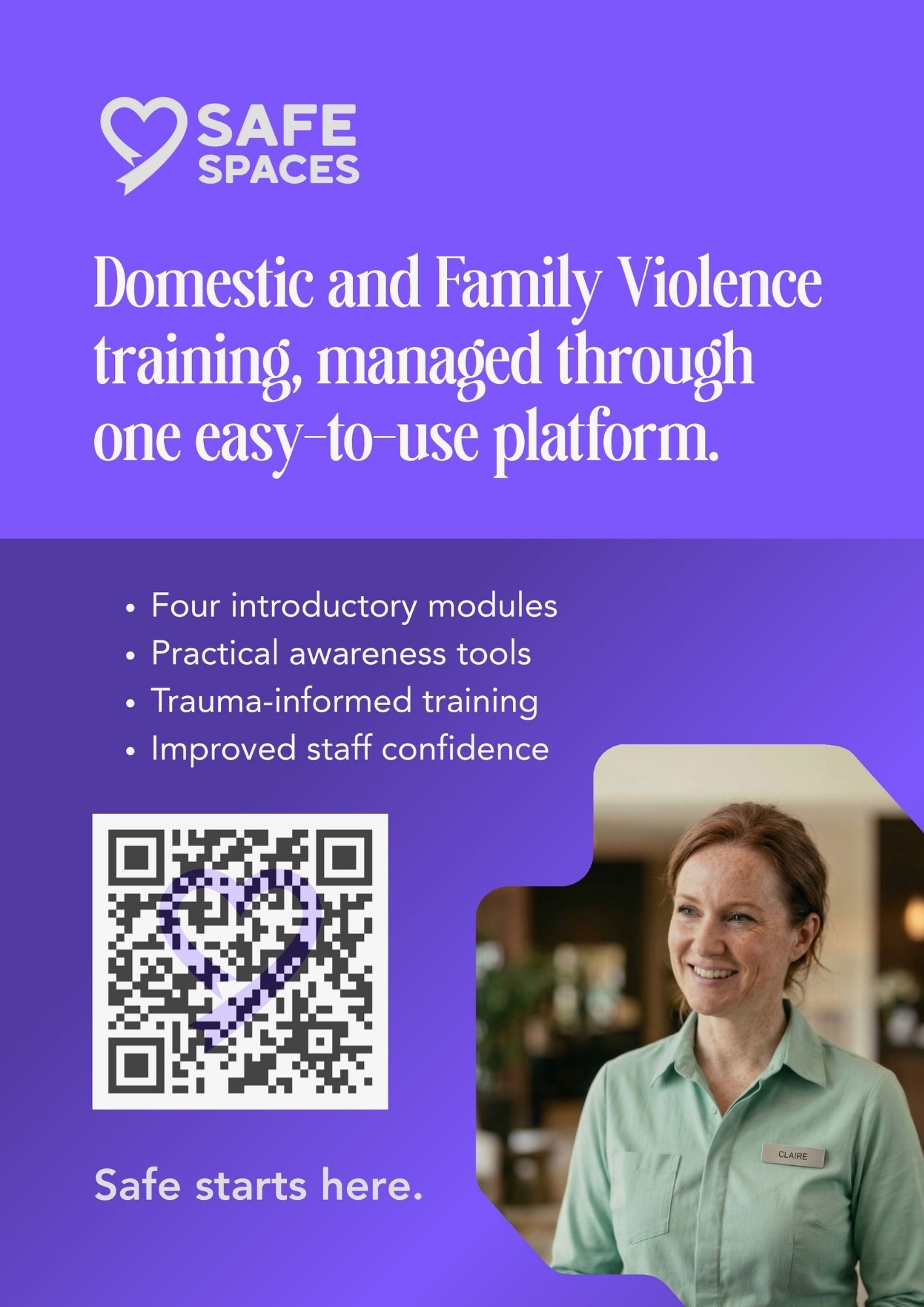
- Safe Spaces is a new online training program designed specifically for clubs
- Staff learn how to recognise domestic and family violence, respond appropriately and connect people to support
- Revesby Workers' Club piloted the program and now includes it in staff onboarding
- The training is practical, accessible and does not require staff to become counsellors or experts
- Clubs already play an important role in their communities — Safe Spaces helps them respond with confidence when someone needs help
The new Safe Spaces online training program gives staff the confidence and practical skills to respond when someone affected by domestic and family violence reaches out for support.
Across NSW, clubs are places where people come together to connect, belong and seek support. That places clubs in a unique position when it comes to responding to domestic and family violence.
Safe Spaces was developed to help club staff recognise the signs of domestic and family violence, respond safely and confidently, and connect people with the support they need. The program doesn't ask staff to become experts. Instead, it provides practical tools, referral pathways and the confidence to have what can often be a difficult conversation
“It’s not your job to fix everything. The training helps you process it first, so you’ve got the right things to say and know how to get someone to the help they need.” — Sharyn Buhagiar, Chief People Officer, Revesby Workers’ Club
The recent Purple Friday campaign helped raise awareness of domestic and family violence across the club industry. Safe Spaces builds on that awareness by providing practical training and resources that can be embedded into everyday operations
A Community Hub Is Already a Safe Space
Revesby Workers’ Club has been part of the Safe Spaces program since the pilot phase, working with Learning for Good to train their team on how to recognise and respond to domestic and family violence. With close to 300 staff, Chief People Officer Sharyn Buhagiar knew the issue was likely touching people in their own workforce, not just their membership.
For Jordan Berry, a functions attendant at the club, that sense of community responsibility felt natural.
“Clubs are in a fantastic position to support people because we’re already community minded. We’ve got sports teams, social places — this is where community happens,” Berry said.
“It just makes sense that this is the next step.”
Training That Builds Confidence, Not Pressure
One of the biggest concerns clubs raise is putting too much on their staff. Safe Spaces addresses this directly. The training doesn’t ask people to be counsellors or case managers. It prepares them to respond in the moment, with the right words, the right referral and the steadiness to help someone take the first step.
“When it comes to training, we say to staff: it’s not your job to fix everything,” Buhagiar said.
“We physically can’t do that. The training helps you process it first, so you’ve got the right things to say, the right support structures, and you know how to get someone to the information they need.”
The Program Found Them Where They Are
One reason clubs are signing on is practicality. Revesby Workers’ Club was part of the pilot that moved the Safe Spaces training from face-to-face to online, meaning new staff can be onboarded quickly, and the program grows with the team.
“It’s been a privilege to work with Learning for Good and be part of the pilot program — taking that content from face-to-face and making it accessible online,” Buhagiar added.
“We can get new staff onboarded quickly on what domestic violence is and how to refer and respond.”
That accessibility matters in a club environment where rosters shift and staff turnover is real. The program doesn’t require a training day or a facilitator. It sits alongside induction and builds a baseline across the whole team.
The Person Who Needs Help May Already Be Here
NSW Police Commissioner Mal Lanyon told the Clubs & Community Awards audience in June that police respond to a domestic violence call every three minutes in NSW. That’s not a statistic that happens somewhere else. It’s happening in the communities clubs serve every day.
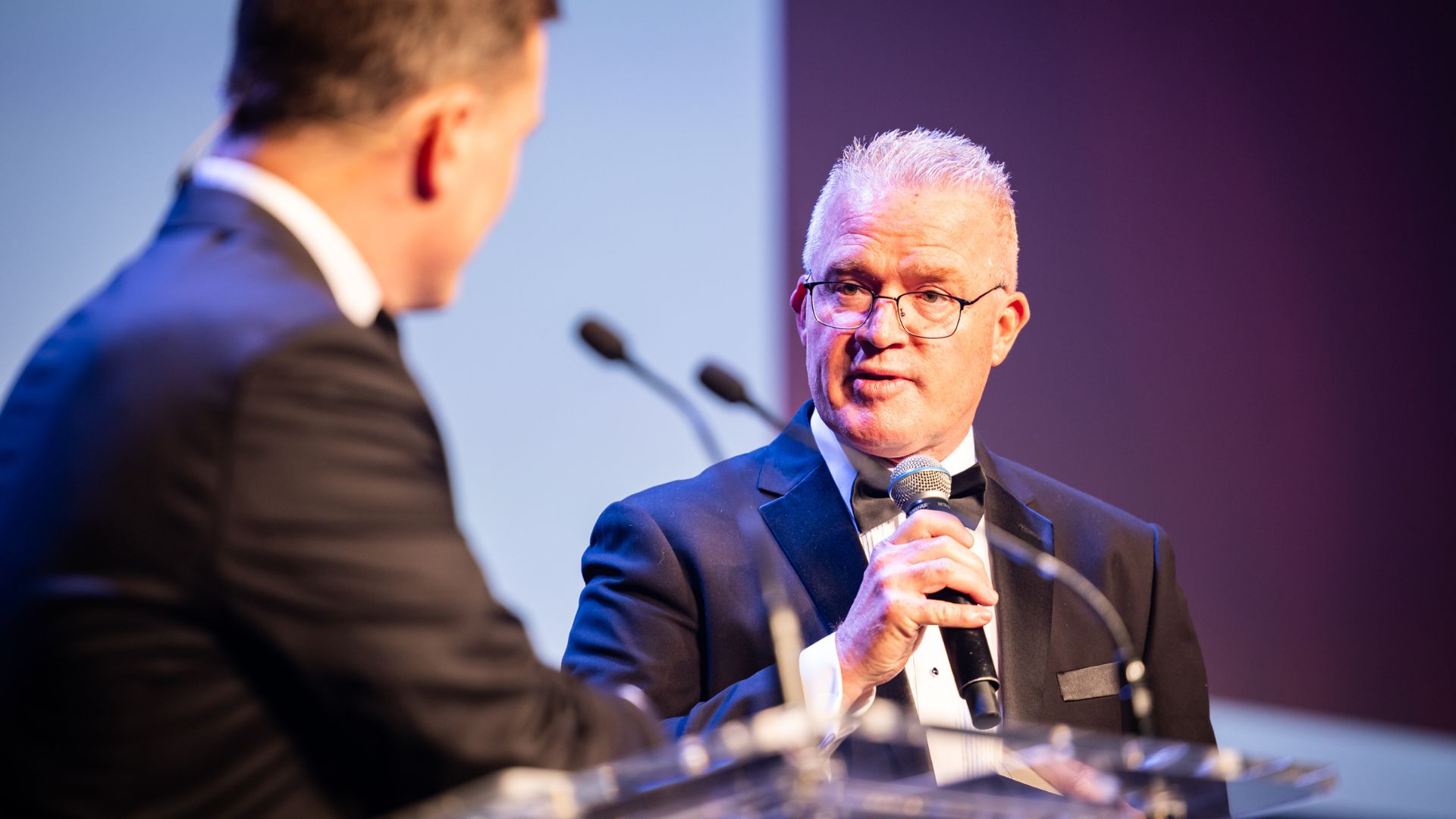
Image Above — NSW Police Commissioner Mal Lanyon at the 2026 Clubs & Community Awards.
The program is personal for Marina Gjorgjiovska at Revesby Workers’ Club. She knows what it means to need support at work when home isn’t safe, and what it meant to have a team around her that made it possible to speak up.
“I have past experience where I had a chance to understand a lot more about domestic violence,” Gjorgjiovska said.
“The support I received here, starting from HR, made me feel comfortable to talk about it. There are a lot of people out there who need help and don’t speak up or don’t know where to go. Revesby is doing an amazing job.”
It Just Makes Sense
For Revesby Workers' Club, the value of the program lies in its simplicity and accessibility. The online format enables staff to complete training as part of their induction while ensuring the club maintains a consistent approach to supporting staff and members who may be experiencing domestic and family violence.
As clubs continue to strengthen their role as community leaders, Safe Spaces provides a practical way to turn awareness into action. The relationships and trust already exist, while the training gives staff the confidence to respond when it matters most.
If your club is ready to take the next step, contact [email protected] to find out more about the Safe Spaces training program.
Learning for Good CEO and Founder Chris North can be contacted at [email protected].
Related